How to Prepare Your Property Before Roofline Work Starts
Good preparation usually makes roofline work smoother, tidier, and quicker. A few practical checks before the crew arrives can reduce avoidable delays, protect your garden and parking area, and help the contractor work safely around gutters, fascias, soffits, and downpipes.
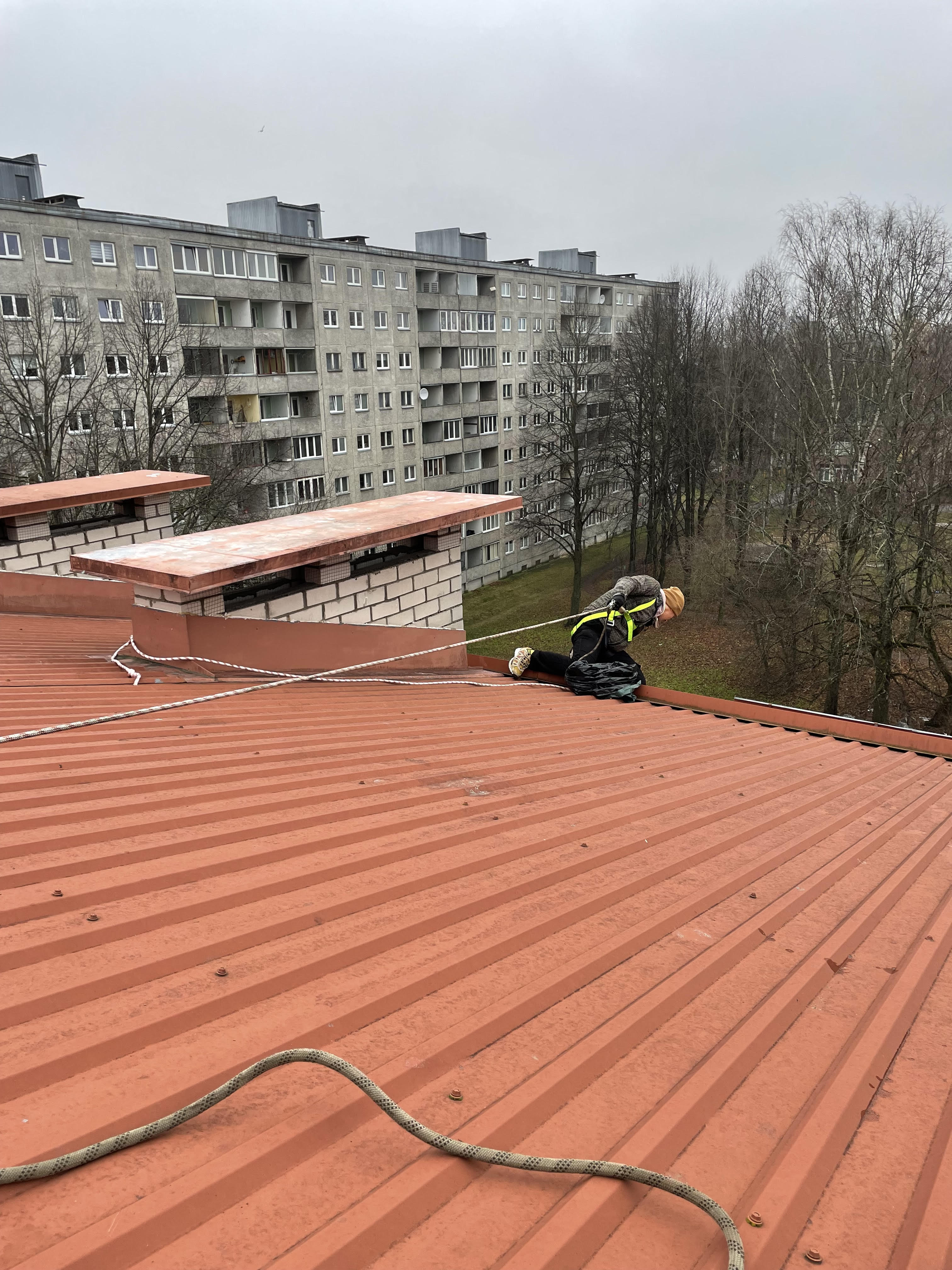
Why roofline work is worth preparing for
Roofline jobs are often straightforward, but they still depend on access, clear space, and a sensible setup. Preparing the property helps keep the work efficient, reduces the chance of damage to nearby items, and gives the contractor a cleaner starting point.
It also helps with the parts of the job you may not see from ground level. Current guidance from GOV.UK on when building regulations approval is not needed notes that many repairs, replacements, and maintenance tasks do not need formal approval, but that does not remove the need for safe planning and clear communication. HSE guidance on health and safety in roof work makes the same basic point in a different register: work at height needs sensible controls, not assumptions.
What to clear around the house before the crew arrives
- Move patio furniture, plant pots, toys, and decorative items away from walls and access points.
- Clear paths to gates, side returns, driveways, and any rear access the crew may need.
- Trim back anything that blocks ladders, scaffold, or inspection access where you can do so safely.
- Keep bins, bikes, washing lines, and garden tools out of the working zone.
If you are unsure how much access will be needed, ask the contractor for a simple walk-through before the job starts. That is usually easier than trying to move things after the first ladder goes up.
How to protect cars, plants, outdoor furniture, and access routes
Not every roofline job requires a large exclusion zone, but it is wise to treat the area under the work as active. Move cars out of the way if possible, especially if scaffold, ladders, or waste removal will affect the driveway.
For sensitive items, a light cover or temporary move is often better than leaving them exposed. Delicate plants, cushions, and outdoor fabrics are worth shifting a few metres if they sit close to gutters or downpipes.
Where access routes cross the work area, keep them obvious and uncluttered. If visitors, neighbours, or delivery drivers may need to pass through, it helps to say so in advance and agree where movement is still safe.
For general roofline upkeep and the components that often need attention, the Cotswold District Council maintenance guidance is a useful reminder to keep an eye on gutters, fascia boards, soffits, and roof valleys.
What to check inside the loft, eaves, and top-floor rooms
Some preparation happens indoors. If the crew may need to inspect the underside of the roof edge, make sure loft hatches are reachable and that stored boxes do not block access.
- Look for signs of leaks, damp patches, staining, or musty smells.
- Check whether loft insulation, storage boxes, or boarding may obstruct a quick inspection.
- Move fragile items away from top-floor ceilings or walls if you have noticed cracking or staining.
Recent government guidance on damp and mould in the home also highlights how defective roofs, blocked gutters, and related drainage issues can contribute to moisture problems. If you already know about a leak or damp patch, say so early. That lets the contractor look in the right place instead of discovering it halfway through the work.
When to mention leaks, damp, or previous repairs to the contractor
Any known issue is worth mentioning before the crew starts. That includes recurring leaks, previous patch repairs, water marks, loose sections, and any unusual joints or alterations around the roof edge.
If a past repair was done in stages, or if a previous contractor left notes, photos, or spare parts, have those ready. The more context the contractor has, the less likely they are to duplicate work or miss a hidden detail. You do not need to over-explain; just give the facts and let the survey or site check do its job.
For a broader overview of the parts involved, you can also read our roofline service page or browse guttering guidance if the job includes rainwater goods.
Safety and access basics for ladders, scaffolding, and parking
Safety is mostly about giving the team room to work sensibly. Keep the ground beneath the work area clear, and do not move equipment once setup has begun unless the contractor asks you to.
- Agree where ladders or scaffold can be placed before the visit.
- Park vehicles away from the work zone if access, loading, or waste removal may be needed.
- Keep children and pets out of the active work area.
- Do not lean items against walls or scaffold where they may fall or interfere with access.
If a neighbour’s boundary, shared driveway, or side passage is involved, sort out access early. A quick conversation is still cheaper than a late scramble.
What paperwork or approvals may be relevant
Many straightforward repairs and replacements do not need building regulations approval, but larger changes or unusual situations can be different. It is sensible to ask the contractor what applies to your job rather than guessing from the label alone.
For example, replacing a section of guttering or renewing fascia and soffit boards is often treated as maintenance, while wider structural changes may bring extra checks. The safest approach is simple: confirm the scope, confirm the access plan, and ask whether any approvals, neighbour notifications, or other paperwork are relevant before work starts.
If you need a broader service overview first, our services page gives the wider picture, and our contact page is the easiest place to send questions before a visit.
A short day-before and morning-of checklist
| Timing | What to check |
|---|---|
| Day before | Clear furniture, move cars, unlock gates, and confirm any access notes with the contractor. |
| Day before | Check loft or top-floor spaces for stored items that could block inspection or cause damage. |
| Morning of | Make sure pathways are still clear, pets are secured, and bins or deliveries will not block access. |
| Morning of | Share any last-minute updates about leaks, parking, neighbours, or changes to the plan. |
The short version is simple: clear the space, share the relevant details, and keep access easy. That is usually enough to help roofline work begin on time and finish without avoidable fuss.