Introduction
Roofline problems usually begin quietly. A gutter starts to hold debris, a joint opens up, or a downpipe drains less efficiently than it should. From the ground, the signs are often visible long before the repair gets complicated. That is the good news: if you know what to look for, you can usually act early and avoid turning a tidy maintenance job into a larger project.
This guide walks through the common symptoms, the likely causes behind them, and the point where a professional inspection makes more sense than another quick look from the garden path. For a broader overview of the parts involved, see our roofline essentials guide.

Symptom guide: what the visible signs usually mean
These are the common clues homeowners and property managers tend to spot first:
- Overflowing gutters — water is not moving through the system as intended, often because of debris, a poor fall, or a blockage.
- Damp patches on walls — moisture may be tracking from a failed joint, a blocked outlet, or repeated overflow at the eaves.
- Peeling paint on fascia or soffit boards — paint breakdown often points to persistent wetting, age-related wear, or failing seals.
- Sagging sections — a gutter line that dips or twists can indicate weak fixings, weight from debris, or long-term movement.
- Staining on ceilings or upper walls — this can suggest water is being directed where it should not be, especially after heavy rain.
- Blocked downpipes — water backs up into the guttering system when the outlet cannot clear flow properly.
Likely causes behind the symptoms
Visible problems usually trace back to one or more practical causes:
- Debris buildup — leaves, moss, and grit are the obvious culprits, especially after windy weather and during autumn. The HSE and official maintenance guidance both treat roof access and drainage maintenance as work that deserves care, not guesswork.
- Poor drainage fall — if the gutter does not fall correctly toward the outlet, water can linger and carry dirt with it. That eventually shows up as overflow or staining.
- Failed joints — sealant, unions, and connectors age like everything else. When they fail, the system may leak at one point while looking fine elsewhere.
- Damaged fixings — brackets, clips, and nails can loosen over time, especially after wind or repeated freeze-thaw cycles.
- Weather exposure — sun, rain, wind, and cold all wear roofline materials down. No system gets a free pass from the British weather; it charges rent in maintenance.
- Age-related wear — older properties often show a mix of small failures rather than one dramatic fault. That is especially common where original eaves details have already been repaired several times.
For general maintenance expectations around gutters and downpipes, GOV.UK notes that this kind of work is usually treated as maintenance rather than major alteration. For practical drainage advice, the roof drainage guidance is a useful reminder that regular checks matter most when leaves and debris start to build up.
Considerations for older or listed properties
Older buildings deserve a careful eye. The aim is not simply to make the guttering look new; it is to preserve the original eaves detail where possible and avoid unnecessary alterations. On listed or period buildings, roofline work can be part performance, part judgement call.
In practice, that means:
- keeping the original shape and detail of the eaves where it still works;
- repairing good sections rather than replacing every visible piece by default;
- matching materials and profiles thoughtfully, especially where the roof edge is part of the building’s character;
- getting the right level of professional advice before changing a detail that may seem minor but is actually part of the building’s fabric.
The listed building maintenance guidance is useful here: it highlights that blocked gutters, damaged drainage, and early warning signs should be handled promptly, but with respect for the existing building.
What you can check safely and what needs a professional
Safe checking starts on the ground. You can usually look for:
- water spilling over the gutter during rain;
- obvious sagging, bowing, or gaps in the line;
- staining below joints or downpipe connections;
- visible plant growth, nesting material, or heavy leaf build-up;
- changes after a storm, such as a section that now sits lower than before.
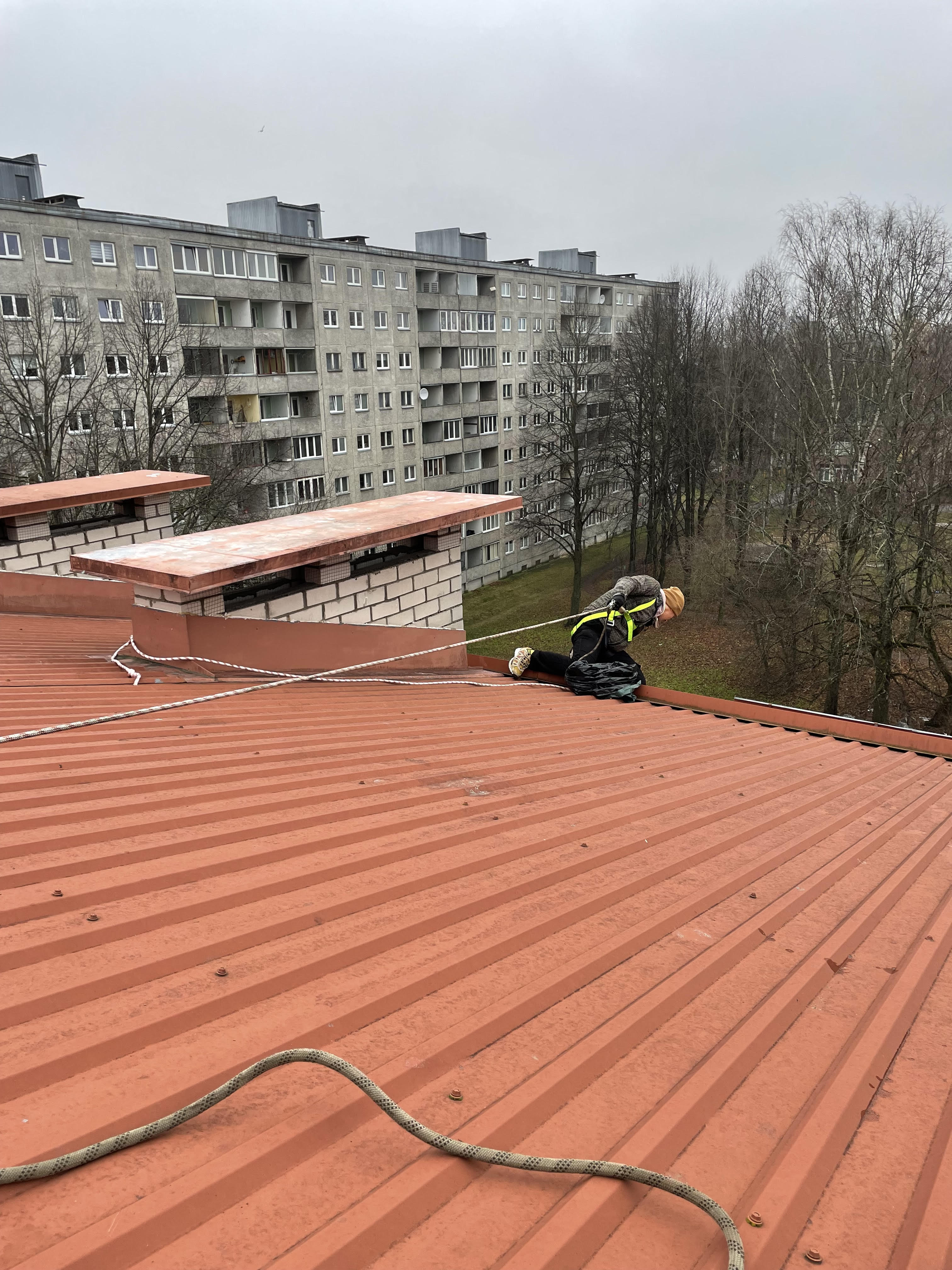
What you should not do is treat the roof edge like a casual weekend project. HSE guidance on working at height and fragile surfaces is clear enough: roof access can be hazardous, and inspections should use proper access methods.
If the issue is hard to reach, recurring, or tied to rotten timber, warped sections, or multiple failed joints, bring in a professional. A roofer or surveyor can assess the cause without turning a local repair into avoidable damage.
Repair vs. replacement
Not every roofline problem calls for replacement. In many cases, a repair is the sensible first step if the rest of the system is sound.
| Repair is often enough when | Replacement becomes more sensible when |
|---|---|
| The issue is localised to one joint, bracket, or short section. | Several sections are failing at once. |
| The underlying fascia or soffit is still structurally sound. | Timber is soft, split, or showing broader decay. |
| The system mostly drains well and the problem appeared after a recent blockage or storm. | The design or condition of the run is fundamentally poor and keeps causing the same fault. |
| Repairs can restore safe performance without disturbing healthy material. | The age and condition of the whole setup make repeated patching uneconomic. |
That decision is usually less dramatic than people expect. Good roofline work is often about the right scope, not the biggest one.
If you want a clearer sense of the service options, our roofline repairs, guttering, and services pages explain how the work is typically approached.
Seasonal maintenance checklist
Autumn is the headline season, but the logic applies all year. A simple routine helps you catch problems early:
- Check gutters after heavy leaf fall, especially if nearby trees shed into the roofline.
- Look for overflows after a storm and note whether the same point fails each time.
- Inspect downpipe exits at ground level to make sure water is still discharging freely.
- Scan fascia and soffit boards for flaking paint, cracks, or soft patches.
- Compare the gutter line to nearby windows and brickwork so small sagging changes are easier to spot.
- Book a professional inspection if the issue repeats, spreads, or sits close to timber decay.
That kind of routine is simple, but it is also the difference between maintenance and avoidable repair. The roofline does not usually fail all at once; it sends clues first. The trick is noticing them before they become the only thing anyone can see.
Call to action
If you have spotted one of these warning signs, the next step is straightforward: request an inspection, compare repair options, and get a clear quote before the problem grows. If you are not sure whether the issue is local or more widespread, start with a proper assessment from the ground up.
Contact us to arrange a roofline inspection, or return to the home page for a quick overview of RC Grant and Sons.
For a broader sense of who we are and how we work, you can also read about RC Grant and Sons.