Period rooflines have a habit of telling on bad work. Change the line, the profile, or the junctions, and the whole elevation starts to read differently. The repair may still be functional, but the house looks edited in the wrong place.
The practical goal is simple: keep the original character visible while making the roofline do its job better. That means matching the existing rhythm, respecting the shadows and edges that define the facade, and fixing the parts that are actually failing instead of rewriting the whole eaves line because it is convenient.
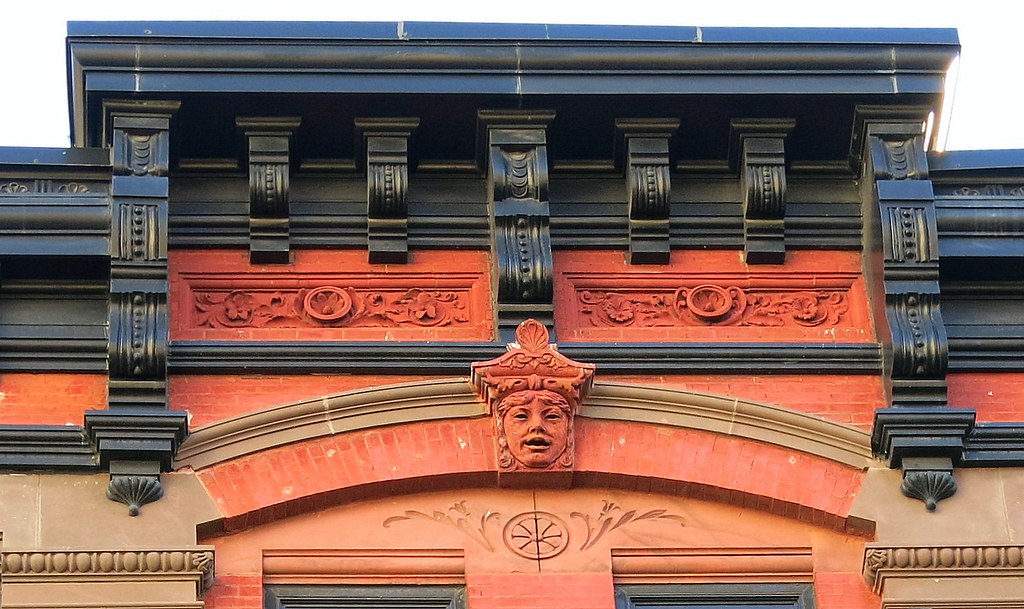
Why details matter on period homes
On older houses, the roofline is not just a weather barrier. It is part of the design language. Fascia depth, gutter projection, bargeboard shape, soffit thickness, and the way the junction meets the wall all contribute to the overall look. If one of those elements changes too much, the eye catches it immediately.
That matters for appearance, but it also matters for value. Buyers, surveyors, and careful neighbours all notice when a house has lost its original proportions. Good roofline work should make the building look settled, not over-manufactured.
If you want a solid technical baseline, the guidance from Historic England on roof repairs and the SPAB’s roofing advice are both worth reading before any visible change is made. They are useful because they keep the focus on repair quality, not cosmetic shortcuts.
Matching profiles, lines, and junctions
The first step is to understand what is already there. Measure the visible depth of the fascia, the fall of the gutter, the location of the drip edge, and the angle where the roof meets the wall. Take photos before anything is removed. A few good images now can save an argument later when a contractor is trying to remember whether the original board stood proud by 10 millimetres or 30.
When a repair is done well, the replacement section does not draw attention to itself. The profile sits in the same plane, the lines meet cleanly at the corners, and the joints disappear into the visual rhythm of the house. That does not mean pretending everything is original. It means keeping the changes disciplined.
A useful rule: match the profile first, the finish second, and the fastening method third. If the visible face and junction are right, most homeowners will never notice the part that was repaired. That is the quiet win. The roofline works, and the house still looks like itself.
Typical good practice:
- Template any decorative fascia or bargeboard before removing it.
- Keep the gutter projection consistent so the shadow line remains even.
- Use the same visual break points where possible, especially at corners and returns.
- Check the new line from street level before the fixings are fully locked in.
Working around existing features
Period homes often have awkward but important features: chimney stacks, brick corbels, slate verges, decorative gable ends, and trim that should not be flattened just to make the job faster. The trick is to work around those features without turning them into obstacles.
That usually means planning the repair sequence carefully. Sometimes the best answer is a sectional repair that leaves the visible ornament in place while rebuilding the hidden support behind it. Sometimes it is a small adjustment to the gutter position so it clears the original moulding without spilling water where it should not.
One common successful example is a Victorian terrace where the rotten timber at the eaves was repaired in sections rather than stripped in one go. The contractor kept the original bargeboard profile, moved the joints away from the most visible part of the street elevation, and reset the gutter to follow the same edge line. From a few metres away, the house still read as one coherent facade. Up close, the repair was tidy and honest.
If the building is listed, or if the visible change could affect its character, check the official listed building consent guidance before ordering materials or changing the profile. That is not paperwork for its own sake. It is there because visible details on older buildings can matter more than people expect.
How professionals decide what to repair vs refine
The best contractors do not start with the question “What can I replace?” They start with “What is actually failing?” That changes the job immediately.
| Condition | Usually repair | Usually refine or replace |
|---|---|---|
| Sound timber with local wear | Clean, splice, seal, and repaint | Keep the original section if the profile is still true |
| One failed joint or leaky corner | Reset the joint, adjust the fall, improve the seal | Replace only the damaged length if the rest is stable |
| Warping or rot across a wider run | Investigate the substrate and fixings first | Renew the affected section while matching the original face |
| Visible line that no longer reads cleanly | Check for structural movement or misalignment | Refine the projection, junction, or finish so the roofline sits evenly again |
The difference between repair and refinement is often subtle. Repair stops deterioration. Refinement restores the visual order that the building was trying to keep in the first place. On a period property, both matter.
A good assessment should explain why a section is being repaired, why a section is being replaced, and which visible details are being preserved on purpose. If that explanation is missing, the job is probably being over-simplified.
How to communicate your priorities before work begins
The cleanest roofline projects start with a short brief. Nothing fancy. Just enough information to stop the job drifting into generic replacement mode.
Use this as a working checklist:
- Photograph every visible junction before work starts.
- Mark the features that must stay visually consistent.
- Note any profile, colour, or finish that should be matched.
- Ask where joints, fixings, and seal lines will land.
- Confirm who signs off any change to the visible line.
Then say the important part plainly: the repair should protect the building without flattening its character. That single sentence is more useful than a page of vague “just make it look nice” instructions.
If you are comparing options for a larger exterior project, start with the homepage for a quick overview, then use the contact page to outline the building, the problem areas, and the details you want preserved. A clear brief gives the contractor something real to work with, which is usually where good work begins.
A practical way to think about it
On period properties, the best roofline work behaves like a careful edit: keep the original sentence, remove the damage, and do not rewrite the whole paragraph unless you have to. The house should still look like itself when the scaffolding comes down.
That is the balance worth aiming for. Repair what is failing. Preserve what gives the property its line. And make every visible change earn its place.