Why a Professional Roofline Inspection Can Save Homeowners Money
Roofline problems are a bit sneaky. From the ground, everything can look fine… until a gutter starts overflowing, paint begins to stain, or a small leak decides to become a very expensive hobby.
A professional roofline inspection looks at the parts of the roof edge that manage water and protect the structure below it: gutters, downpipes, fascia boards, soffits, drip edge, flashing, and the spots where water may be slipping into places it should not go. For homeowners, that kind of check can help catch simple fixes before they turn into larger repair bills.
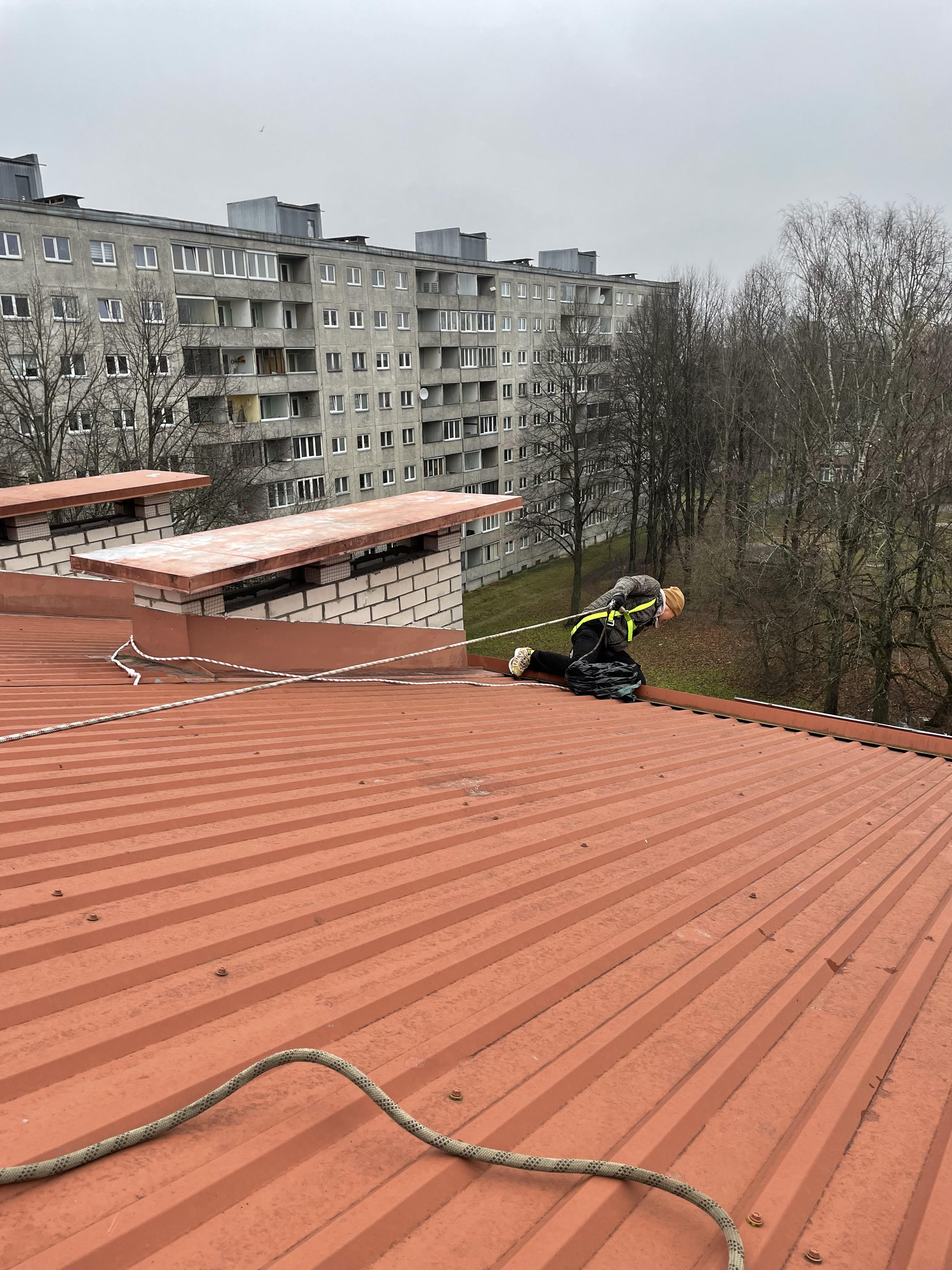
What a roofline inspection should cover
A good inspection is not just a quick glance at the gutters. It should include a visual review of the full roof edge and the water-management details that keep rain moving away from the home.
- Gutters: blockages, slope, joints, leaks, and overflow points
- Downpipes: cracks, loose fixings, and poor water discharge
- Fascia boards: rot, warping, staining, and failed fixings
- Soffits: damage, ventilation issues, gaps, or sagging
- Drip edge and flashing: areas where water should be directed safely away
- Water entry points: places where moisture may be getting behind the roof edge or wall junctions
Building science guidance from the U.S. Department of Energy explains why roof-wall flashing details matter so much: if water is not directed properly, it can find its way into walls and cause damage that is harder to spot later. See the DOE guidance on step flashing and roof-wall intersections.
Warning signs you can often spot from the ground
You do not need to climb a ladder to notice the early clues. A quick look from the garden or driveway can reveal a lot.
- Gutters that overflow when it rains
- Dark staining on fascia boards or exterior walls
- Visible sagging along the gutter line
- Paint peeling near the roof edge
- Debris hanging out of gutters after windy weather
- Water pooling where downpipes discharge
If you spot one or more of those, it is usually worth booking a proper look rather than hoping the rain will “sort it out.” Rain is not a maintenance plan. It is more of a stress test.
Why inspections matter after storms or leaks
Storms, heavy rain, and even repeated freeze-thaw cycles can loosen fixings or shift water flow in small but important ways. A roofline issue does not always show up as a dramatic leak straight away. Sometimes it starts as a tiny gap, a blocked outlet, or a fascia board that has started to soften at one end.
That is why professional roofline checks are especially useful after severe weather, after a leak, or when you notice a new patch of staining inside the property. Homeowners who are buying or selling can also use an inspection to get a clearer picture before a problem becomes a bargaining chip.
How roofline defects can lead to bigger costs
When roof edge details fail, water can do the awkward thing it does best: go somewhere expensive.
- Moisture damage: damp timber and wet insulation are never a fun combination
- Rot: fascia and soffit materials can weaken if water keeps sitting in the wrong place
- Mould risk: trapped moisture can create the right conditions for growth indoors or in roof spaces
- Energy loss: poor roofline performance can affect ventilation and insulation performance
The point is not to panic; it is to catch the quieter problems before they start turning into broader repair work. That is where a professional roofline service can be useful.
What to expect from a reputable contractor or inspector
A trustworthy inspection should feel calm, clear, and specific. No dramatic sighing at the guttering, no mystery doom, just useful information.
Look for someone who will provide:
- a visual inspection of the roof edge and water-management parts of the system
- photos of the issues they found
- a written summary with priorities
- an explanation of which repairs are urgent, and which can wait
The Better Business Bureau’s general advice on hiring a home inspector is a useful reminder to ask what will be checked, how findings will be reported, and what the next step should be. Read BBB guidance on hiring a home inspector.
How to compare quotes without getting the runaround
Price matters, but so does clarity. Two quotes can look similar on paper while hiding very different scopes of work. When you compare them, ask what is included, what materials will be used, and whether the contractor has actually inspected the same areas.
Be cautious of anyone who offers a “free roof inspection” and then immediately pushes for a fast decision. The BBB advises homeowners to be careful with unsolicited inspection offers and to look for clear business details before agreeing to work. See BBB’s warning about free roof inspections.
That does not mean every free inspection is a problem. It means the process should still be transparent, measured, and easy to verify.
When to schedule a roofline assessment
A roofline check makes sense at several points during the year and during key property decisions:
- seasonal maintenance, especially before wetter weather
- after heavy rain, wind, or a storm
- when you notice overflow, staining, or sagging
- before buying or selling a property
- when planning fascia, soffit, guttering, or roof repairs
If your property is a modern build, a period home, or something in between, the details still matter. RC Grant and Sons works across different property types and can help assess where the roofline is performing well and where it may need attention. If you would like to talk through a concern, get in touch with the team or read more about roof repair options and guttering services.
Simple next steps
If you have noticed a roofline issue, the easiest next step is a professional assessment that gives you clear priorities. That could mean a small repair, a gutter adjustment, or a fuller maintenance plan. Either way, catching it early is usually kinder to the budget than waiting for the water to make the next move.
Contact RC Grant and Sons to discuss a roofline inspection, or browse the about page to learn more about the company and the kinds of properties served.