Listed and Period Home Roofline Repairs: What You Need to Know Before You Start
If you own a listed or period home, roofline work is one of those jobs that looks straightforward until you start counting the details. Gutters, fascias, soffits, chimneys, flashings, roof coverings, and rooflights can all affect how the house performs — and how much character it keeps.
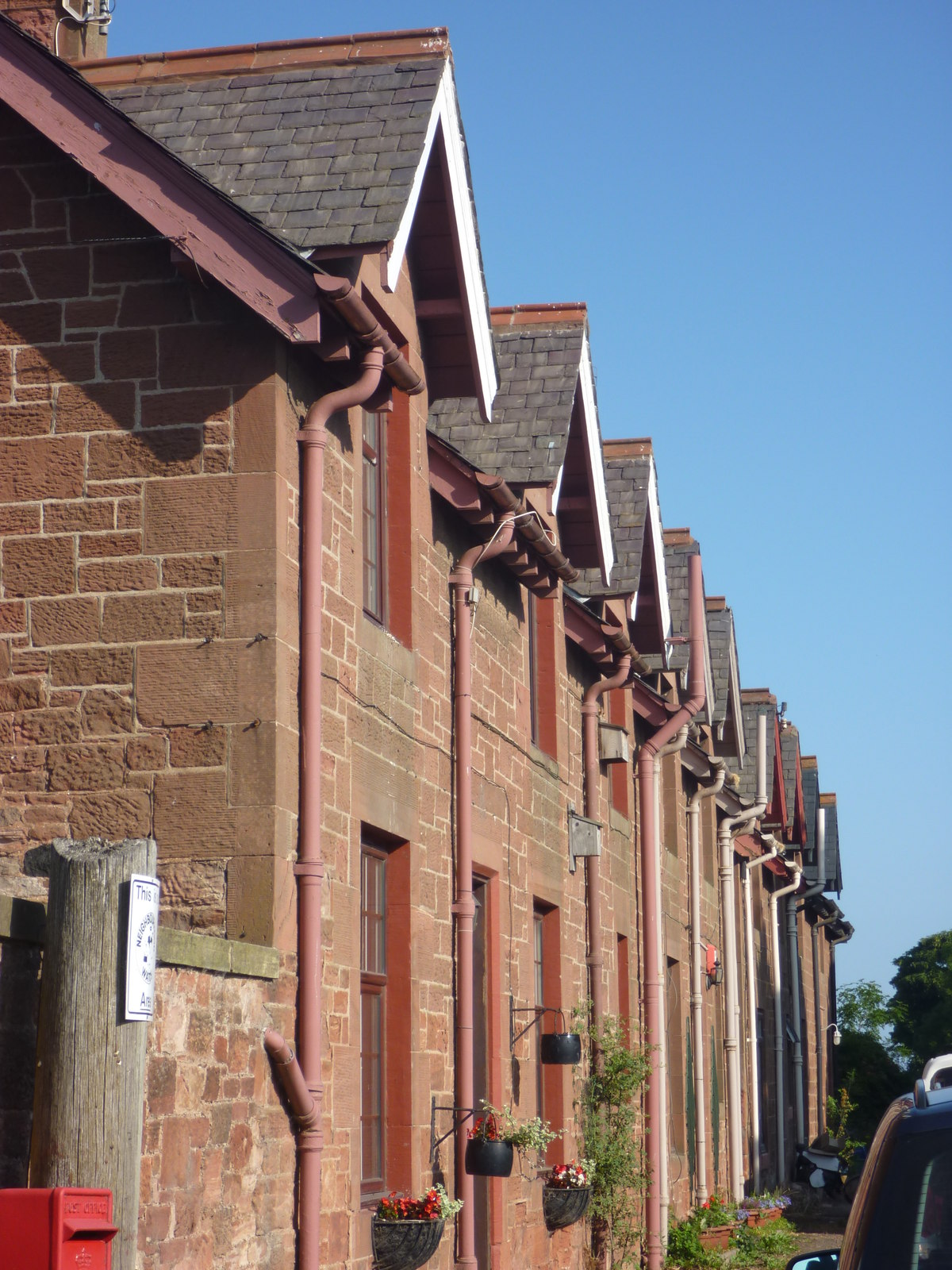
Why older homes need a different approach
With newer properties, roofline upgrades often focus on convenience and durability. On listed and period homes, the first question is usually simpler: what can be repaired without changing the building’s character?
Historic England’s guidance on repairing or renewing older roofs and permissions for older homes is clear on the big idea: match the work to the building, not the other way round.
What counts as roofline work?
Roofline work can include:
- gutters and downpipes,
- fascias and soffits,
- chimney flashing and pointing,
- roof coverings such as slate or tile,
- rooflights or other openings near the roof edge.
That means a small repair can have wider effects. Replace one detail carelessly and the whole roofline can start looking like it has been introduced by a different century. Not ideal.
When consent or permission may be needed
If the home is listed, or sits in a conservation area, changes to materials, shape, or visible roof details may need approval before work starts. The exact rules depend on the property and the proposal, so the safest move is to check early rather than assume a like-for-like swap will be fine.
For a quick plain-English overview, the Planning Portal guidance on listed building consent is a useful starting point.
Repair first: patch, partial repair, or full replacement?
A sensible roofline plan usually starts with three questions:
- Is the existing material still sound enough to repair?
- If not, can part of it be replaced while keeping the rest?
- Does the proposed replacement genuinely suit the building?
Historic England’s principles of repair for historic buildings support the same common-sense rule: intervene as lightly as possible, and only as much as needed.
Why material matching matters
Traditional materials are not just about looks. They often behave differently in weather, movement, and maintenance, which is why compatibility matters so much on older homes.
- Natural slate or clay tile may suit one property better than a modern substitute.
- Lead flashings need to work with the roof build-up and nearby details.
- Timber fascias or bargeboards may need repair rather than wholesale replacement.
SPAB’s technical advice notes are a good reminder that the best fix is usually the one that respects how the building was originally put together.
Common mistakes to avoid
- Choosing the most modern-looking option just because it is available.
- Making roof alterations bigger than they need to be.
- Ignoring how gutters, chimneys, and coverings work together.
- Starting work before checking whether permission is needed.
How to brief a roofer before getting quotes
Before you ask for prices, gather a few basics:
- photos of the existing roofline from ground level,
- notes on leaks, staining, blocked gutters, or loose sections,
- any listing or conservation-area details you already have,
- a clear idea of whether you want repair, partial renewal, or full replacement.
If you want a specialist to look over the options with you, start with our services and contact pages, or read more about the team on the about page.
A simple pre-project checklist
| Check | Why it matters |
|---|---|
| Confirm whether the property is listed | This can change what approvals are needed. |
| Look at the existing materials carefully | Matching the current roofline helps preserve character. |
| Ask whether repair is possible first | Repair can be cleaner, cheaper, and less disruptive. |
| Discuss the visual impact of any change | Small details can make a big difference on older homes. |
| Get quotes that describe materials clearly | It is easier to compare like with like. |
When to speak to the local authority
If the work changes visible roof details, the roof shape, or the materials in a way that could affect character, speak to the local authority or a heritage professional before you commit. That extra conversation can save a lot of backtracking later — which is the sort of drama nobody needs on a roofing project.
Ready to plan the job?
Whether you are fixing a tired gutter, sorting a chimney detail, or weighing up a careful replacement, the goal is the same: protect the house without making it look like it has worn a costume. If you are ready to talk through the options, visit our contact page or browse the blog for more practical roofline advice.