Choosing a roofline specialist should feel straightforward, not like a test you were never told was happening. A good contractor will welcome clear questions and give direct answers.
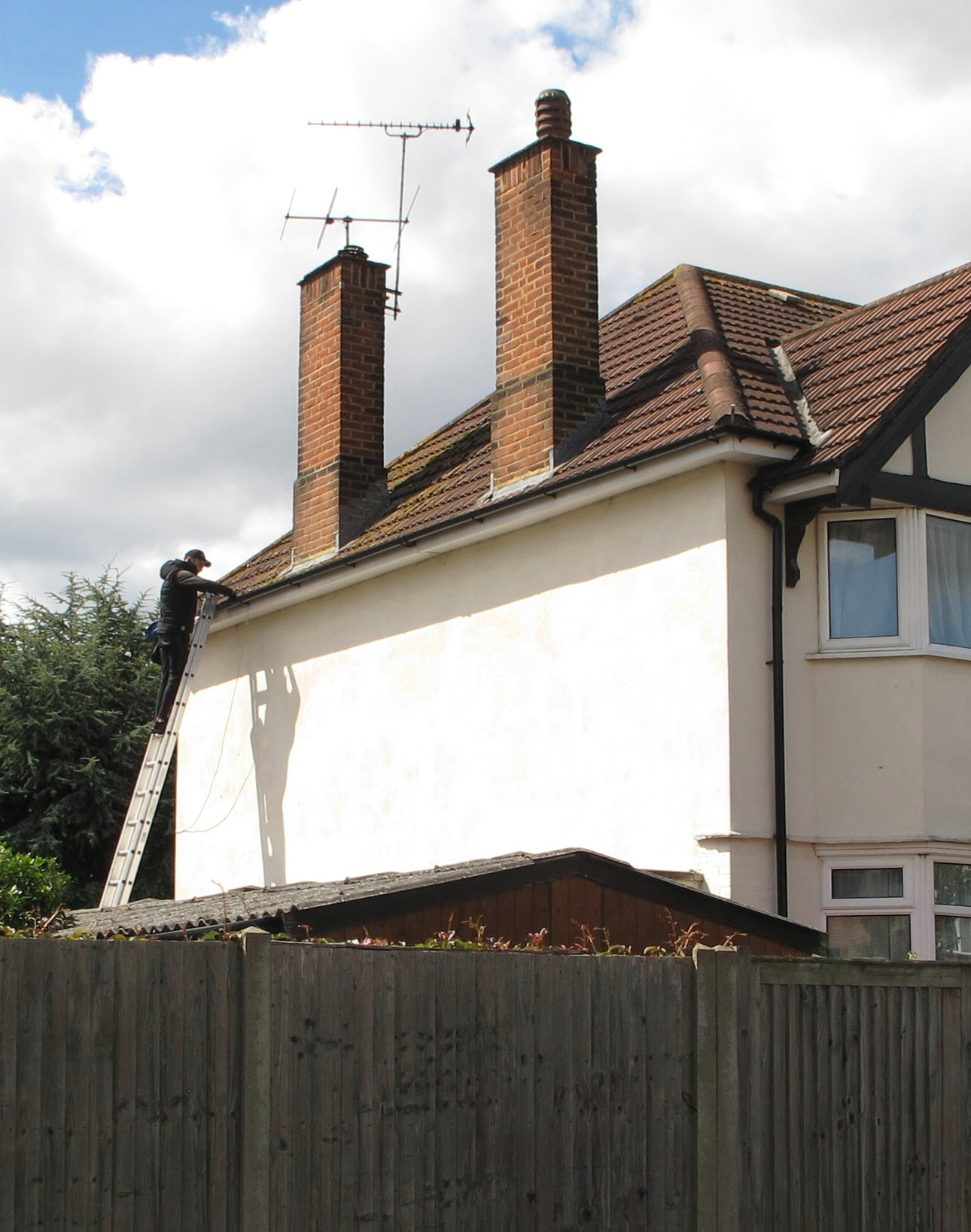
If you are comparing options for your home, start with the questions below. They will help you judge experience, workmanship, and whether the company is a good fit for your property. If you are still gathering a shortlist, the homepage is a simple place to begin.
Questions about experience with your type of property
Roofline work can vary quite a bit between a modern house and a period property. Ask first about the jobs that are most like yours.
- What kinds of properties do you work on most often?
- Have you completed similar roofline projects on period or listed homes?
- Can you show examples of work that match my property type or roof shape?
- How do you handle older details that need a more careful approach?
For heritage or older homes, it helps to ask whether they understand the practical limits of the building as well as the look of it. That is often the difference between a neat upgrade and a job that feels out of step with the house. The Historic England guidance on roofing and gutters is a useful reference point if you want to understand the broader picture.
Questions about inspection and recommendations
A solid recommendation should come from a proper inspection, not a glance from the driveway and a hopeful shrug.
- What does your inspection process include?
- Will you check the existing fascia, soffit, guttering, and any hidden timber or backing material?
- How do you decide whether a repair, partial replacement, or full replacement makes sense?
- Will you explain why you are recommending one option over another?
Good answers should be specific. You are looking for a contractor who can explain the condition they found, the risks they noticed, and the trade-offs between fixing what is there and starting fresh. If the explanation sounds vague, ask for a clearer walkthrough.
Questions about materials and finish options
Different materials suit different budgets, property styles, and maintenance expectations.
- What material options do you offer for fascias, soffits, and guttering?
- Which finishes or colours are available?
- What would you recommend for durability versus low maintenance?
- Do you offer any eco-friendly or recycled material options?
It is worth asking how each option performs over time, not just how it looks on day one. Some finishes are easier to maintain, while others may suit the visual character of the property better. If you want to compare common roofline terms before you decide, the soffit overview on Wikipedia gives a plain-language starting point.
Questions about site protection and cleanup
Roofline work should improve your home, not leave the garden looking as if a small storm has visited.
- How do you protect paving, planting, and nearby walls while you work?
- Will you use sheets, covers, or other protection around the work area?
- What happens to old materials and waste at the end of the job?
- Do you include a final clean-up and site check before you leave?
Ask how they manage access, debris, and day-to-day tidiness. A careful contractor should have a clear routine for protecting the property and leaving it presentable at the end of the job. If you want to see more of the kinds of services a roofline specialist may discuss, the contact page is the right place to ask for details.
Questions about warranty and aftercare
Once the job is done, you want to know who stands behind it if something needs attention later.
- What warranty do you offer on materials?
- What warranty do you offer on workmanship?
- Who should I contact if there is a problem after installation?
- Do you offer any maintenance or aftercare guidance?
Ask whether the warranty is written down and what it covers in plain language. It is also worth checking how quickly they respond if a minor issue appears after the work is complete. A neat job is good; a neat job with a sensible aftercare process is better.
Questions about availability and scheduling
Even the best contractor may not be the best fit if the timing does not work for your project.
- What is your current availability?
- How long do you expect the work to take?
- What could affect the start date or schedule?
- How do you handle delays, weather issues, or changes once the job has started?
This is the part many people skip until late in the conversation, then regret it when calendars get messy. A clear schedule helps you plan around the work and compare quotes fairly.
A few practical signs you are speaking with the right person
- They answer questions directly without rushing you.
- They explain materials and methods in plain English.
- They are happy to discuss site protection and clean-up.
- They give you time to think before you decide.
If you need a quote or just want to check something before you go ahead, get in touch. A short conversation now can save a lot of guesswork later.
Quick takeaway: ask about experience, inspection, materials, protection, warranties, and scheduling. The right answers should leave you calmer, not more confused.