Choosing a roofline specialist is a little like hiring someone to tune the edge of your house’s weather defenses: if they do it well, nobody notices, and if they do it badly, the building starts sending complaints in the form of drips, stains, and awkward maintenance bills.
If you are wondering what a good specialist actually does, you are already asking the right questions. How do they judge drainage? How do they handle junctions and detailing? How do they measure accurately enough that the finished line looks neat instead of “close enough, which is not a category I want near my gutters”? As Mies van der Rohe put it, “God is in the details.”
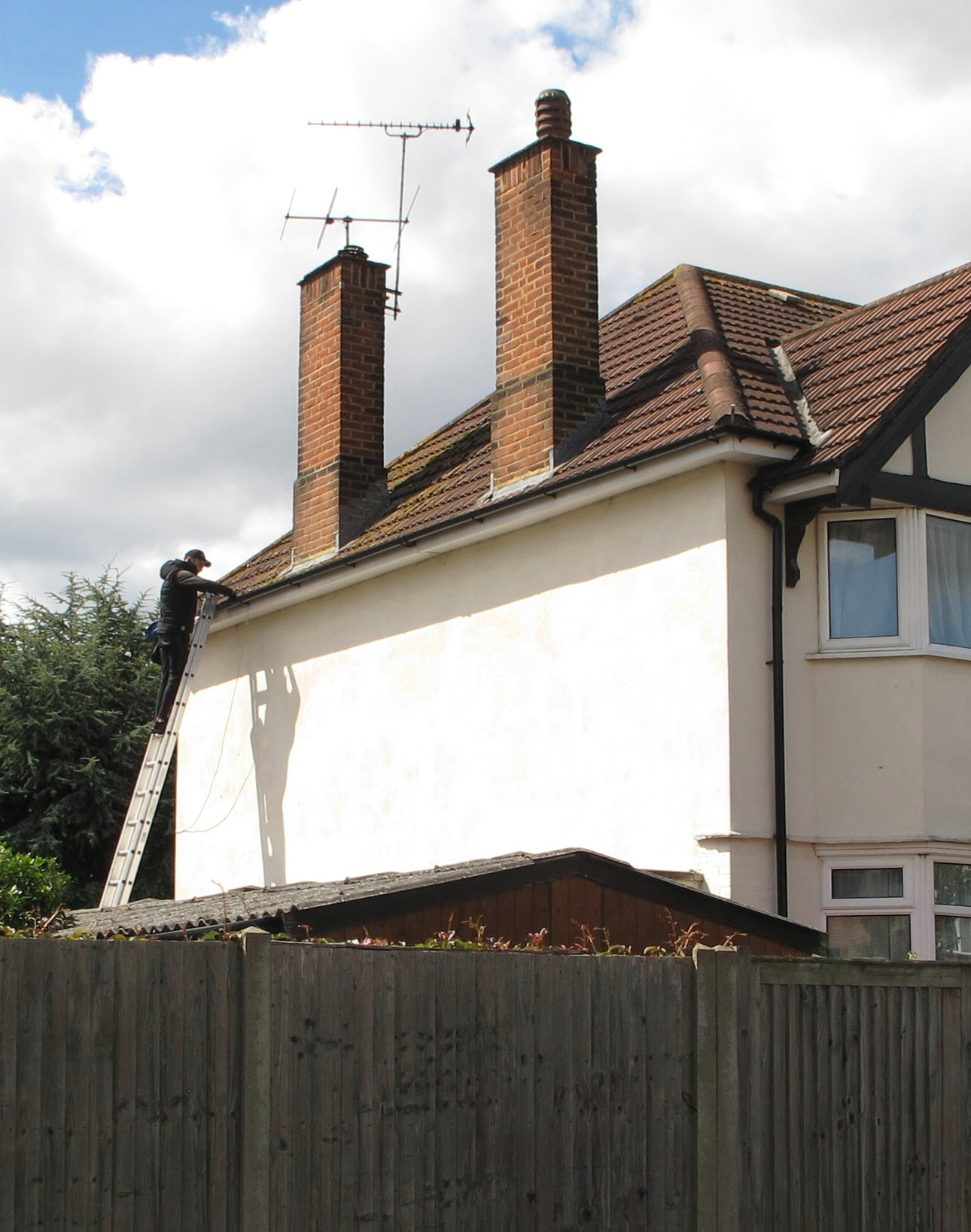
That detail-first mindset matters because the roof edge is not decorative trim. It is part of the building’s water-management system, and it includes different parts that do different jobs. A rain gutter carries runoff away, the fascia closes off the edge, and the soffit finishes the underside of the eaves. Safe access matters too, which is why the Health and Safety Executive’s work at height guidance is part of the conversation, not a side note.
In this article, I will walk through the skills you should expect from a roofline specialist, the questions worth asking before you hire, and the signs that tell you whether the person in front of you understands your property type or is just making a cheerful noise in a hard hat. If you want a broader sense of the company behind these topics, the home page is a sensible place to start.
Contents
- Roofline-specific knowledge
- Materials and finish handling
- Inspection and measurement skills
- Quality checks and handover expectations
- Verifying fit for your property type
- A simple hiring map
- What to expect at the end
Roofline-specific knowledge
The first skill you should expect is not a sales pitch. It is roofline literacy. A real specialist can talk through drainage, junctions, and detailing without turning the whole thing into a fog machine.
I think of roofline work as the house’s collar and cuffs. The whole system has to sit neatly, keep water moving, and stay aligned even when the weather is not in the mood to cooperate. That means the specialist should understand how the pieces work together rather than treating every symptom as if it were a brand-new mystery.
Drainage is the starting point, not the bonus round
Roofline systems exist to move water away from the building edge. If a specialist talks only about appearance, they are missing the main plot. The first question is always whether the roof edge is controlling water properly, because a tidy-looking run that overflows is basically a very polite leak.
Good roofline specialists should be able to explain:
- how gutter fall affects flow toward the outlet,
- why downpipes need the right routing and capacity,
- how blockages or debris can create overflow even when the visible sections look fine,
- why splashback and wall staining often reveal water paths better than a quick glance at the gutter itself.
A common mistake is assuming the visible problem is the whole problem. If one corner overflows, the issue may be a blocked outlet farther along, a poorly set bracket line, or a junction that has moved just enough to cause standing water. A specialist who understands drainage will follow the water trail instead of heroically replacing random parts and hoping the building applauds.
Junctions are where skill shows up
Junctions are the exam paper of roofline work. Straight runs are one thing. Corners, joins, changes in direction, and transitions around porches or extensions are where fit, alignment, and judgment start to matter.
At these points, a specialist should understand how to create a clean junction that still performs when it rains sideways, blows hard, or sits under constant temperature change. That means checking how sections meet, how seals are handled, and whether the line still reads properly once the eye stops forgiving the small stuff.
Here is the boring magic in plain English:
| Roofline detail | What a good specialist checks | Why it matters |
|---|---|---|
| Junctions | Alignment, sealing, and movement at corners or joins | Most recurring leaks start where one section meets another |
| Drainage line | Fall, outlet position, and water flow | Water has to move somewhere sensible instead of hanging around like an unwanted guest |
| Fixings | Spacing, security, and whether supports are doing their job | Poor support lets the line sag, twist, or trap water |
| Adjacent edges | Interaction with roof coverings, flashings, or verge details | The roof edge is connected to the rest of the roof whether we like it or not |
Common problems a specialist should recognize fast
You do not need a technical sermon. You need a person who can identify likely failure points and explain them clearly. Typical roofline problems include:
- Sagging gutter runs that hold water instead of moving it.
- Open or worn joints that drip slowly and make the wall below look guilty.
- Staining or streaking under the eaves, which often points to repeated overflow.
- Loose brackets or clips that let sections move when they should stay put.
- Hidden substrate issues behind fascia or soffit areas that need more than a surface patch.
The best specialists do not treat those symptoms as unrelated trivia. They read them together, which is what separates a decent diagnosis from a guessing session with a ladder.
Materials and finish handling
The second skill set is material judgment. A specialist should know not only what to install, but how different materials behave, how they finish, and how they age under weather, movement, and maintenance.
This is where many homeowners get stuck, because material talk can sound like a salesman is reading ingredient labels at you. But the underlying question is simple: will the chosen material suit the property, the exposure, and the amount of ongoing care you want to live with?
Material knowledge should be practical, not poetic
A roofline specialist should be able to explain the properties of common materials in plain language. That might include how a material handles moisture, how visible joints will look, how easy it is to maintain, and whether it fits the style of the building.
The right specialist will usually discuss questions like these:
- Does the property need a low-maintenance finish or a closer visual match to existing details?
- Will the replacement sections blend with the surrounding elevations, or will they shout “new part!” from the pavement?
- Are there existing parts worth preserving, or is a broader replacement the cleaner answer?
- Does the material choice make sense for exposed corners, shaded elevations, or areas with more runoff?
I like a simple rule here: the more confident the specialist is about the property, the less likely they are to oversell a one-size-fits-all material. Roofline work is not a sandwich menu. “Same everywhere” is rarely the best answer.
Finish handling is where neat work becomes durable work
Finish handling is the part homeowners often see first, but the specialist should treat it as more than a cosmetic layer. Good finish work helps keep the system sealed, lined up, and visually coherent so the roof edge does not look like a patchwork quilt after the first wet week.
Good finish handling usually means:
- clean edge trims and neat cuts,
- consistent alignment across sections,
- careful handling of joints so they do not look stressed or forced,
- a final visual check from a distance, not just from the ladder.
That last point matters. A detail can look fine from arm’s length and still read oddly from the driveway. A specialist with real finish discipline checks both viewpoints, because the house has to work up close and at a glance.
How to think about material fit by property type
If I were hiring, I would ask the specialist to explain the trade-offs by property type rather than by brand name. For example:
- Modern homes: Look for clean lines, consistent profiles, and materials that support straightforward maintenance.
- Period properties: Ask how the work will respect proportions, profile depth, and the existing appearance of the roof edge.
- Commercial buildings: Focus on drainage reliability, repeatable detailing, and how the system will be maintained over time.
The point is not to make the specialist promise perfection. The point is to see whether they can talk about fit with enough specificity that the answer sounds grounded rather than rehearsed.
Inspection and measurement skills
The third skill set is observational. Roofline specialists need to read a building accurately before they touch anything. That means inspecting carefully, measuring accurately, and knowing what matters enough to measure in the first place.
A specialist who skips this stage is basically trying to cook dinner by looking at the label on the pan. It might work once. It will not age well.
Inspection should start before anyone climbs a ladder
The best specialists usually begin with a ground-level assessment. They look for sagging, stains, visible gaps, and signs that the roof edge is not moving water the way it should. That first read gives them a map of the likely problem before they move to any closer access.
That habit is partly practical and partly safe. The HSE guidance on work at height is worth reading because it underlines a simple truth: safe access is part of good workmanship. A specialist who treats access as an afterthought is already telling you something about how they think.
During the inspection, a competent specialist should be able to explain what they are checking and why. That might include:
- how the gutter line sits relative to the roof edge,
- whether the outlet is in the right place to take water away efficiently,
- if the brackets or supports are holding the run correctly,
- whether the fascia or soffit area suggests moisture intrusion or long-term wear.
Measurement is the quiet skill behind the visible result
Accurate measurements prevent the kind of problems that only become visible after installation, when the cut list is already committed and everyone is trying to pretend a 6 mm gap is a “character feature.”
A good roofline specialist should know how to measure:
- run lengths and corner distances,
- height changes across a roof edge,
- projecting details around bays, porches, or extensions,
- the relationship between visible line and underlying support.
Useful tools may include a tape measure, laser measure, spirit level, chalk line, and sometimes a camera or inspection device for awkward areas. The tool itself is less important than the discipline behind it. Measuring well is not just about collecting numbers. It is about knowing which numbers matter to the fit, the drainage, and the finish.
A good specialist turns measurements into a simple explanation
The best part of a strong inspection is not the measurements alone. It is the explanation that comes after them. You should come away understanding whether the issue is local or widespread, whether repairs are likely to be enough, and what parts of the roofline deserve attention first.
That explanation should be specific. “The line is off” is vague. “The rear corner is holding water because the outlet is too far from the low point” is useful. One sounds like a shrug. The other is the start of a plan.
Quality checks and handover expectations
The fourth skill set is follow-through. A competent specialist does not stop at “job done.” They check the work, explain what has been completed, and leave you with a clear sense of what to watch next.
This matters because neat work and complete work are not always the same thing. A visually tidy run can still have a poor fall, a weak junction, or an outlet problem. The final checks are what separate a surface-level job from a finished one.
What good quality checks usually cover
At minimum, I would expect a specialist to check the following before handover:
- Alignment: Does the roofline read cleanly from end to end?
- Fixings: Are sections secured properly, without visible movement or stress?
- Water flow: Does the run move water to the outlet without obvious pooling?
- Junctions: Are the joins sealed and sitting correctly?
- Finish: Does the result look intentional rather than patched together in a hurry?
If you are being handed a quote or completion note, useful documentation should tell you what was found, what was changed, and what remains worth monitoring. That way the next person who looks at the roofline will not have to reverse-engineer the whole story from a couple of photos and a fading memory.
What you should hear during handover
Good handover language is plain and specific. You want to hear things like:
- what sections were repaired or replaced,
- which areas were checked but left alone,
- whether any adjacent details need monitoring after heavy rain,
- what basic maintenance would help preserve the work.
That last point is important because a specialist should help you understand the aftercare burden. If the answer is “nothing ever needs checking again,” I would be suspicious. Not because the specialist is definitely wrong, but because the world is not that tidy.
A simple handover checklist for homeowners
If I were standing on the driveway with a fresh quote or completed job, I would ask for these five things:
- A brief summary of the issue found.
- A clear explanation of what was done.
- Any areas that should be watched after the next heavy rain.
- A note on maintenance frequency or cleaning needs.
- Photos if anything hidden or unusual was discovered.
That is not being fussy. That is making sure the result can be reviewed later without guesswork. A good specialist will not mind, because good work should survive being explained twice.
Verifying fit for your property type
The fifth skill set is judgment about fit. Two specialists can both be competent and still not be equally suited to your property. The job is to find someone who understands your building type, the access involved, and the balance between appearance and performance that you need.
This is where a lot of hiring decisions drift into vague confidence. Do not let that happen. Ask questions that force the specialist to talk about your property, not their generic greatness.
Questions worth asking before you hire
Here are the questions I would use if I wanted the conversation to stay honest:
- What would you check first on a property like mine?
- How do you decide whether a repair is enough or replacement is the better call?
- How do you handle corners, outlets, and other junctions on this kind of roof edge?
- What materials or finishes tend to work best for this style of property?
- How do you confirm that the finished line is draining properly?
- What should I expect to see in the handover notes or final explanation?
The answers do not need to sound theatrical. In fact, the best answers usually sound boring in the best possible way: precise, calm, and grounded in the building rather than the brochure.
How to research previous work without overcomplicating it
You do not need a detective board. You need evidence that the specialist has handled similar work before. Useful things to look for include:
- photos of comparable property types,
- examples of similar junctions or edge details,
- clear before-and-after images that show line, fit, and finish,
- consistency in the way the work is described.
If the specialist shows you a portfolio, look for specifics, not just shiny exteriors. Can they talk about why a certain material was used? Can they explain how they handled drainage at a tricky corner? Can they tell you what changed between the assessment and the final finish?
That kind of detail tells you more than a stack of glossy pictures ever will.
Different buildings, different expectations
Property type changes the brief in ways that matter. A specialist who works well on a simple modern run might still need to think harder about a listed or period property, where proportions and visible detailing can matter as much as the practical repair. Meanwhile, a commercial building may demand more attention to repeatability, access planning, and maintenance frequency.
So the question is not “Are they the best?” That is a trap. The better question is “Are they the best fit for this building, this access route, and this level of detail?” That question usually gets you a more truthful answer.
A simple hiring map
When I strip away the noise, I end up with a short hiring map that is hard to improve on:
| What you need | What to look for | What to avoid |
|---|---|---|
| Drainage confidence | Talk about fall, outlets, and where water ends up | Vague talk about “sorting the gutter” without explanation |
| Detailing skill | Specific answers about junctions, corners, and edges | Generic claims that every roofline is the same |
| Measurement discipline | Clear measurements and a process that links numbers to fit | Approximate estimates with no explanation |
| Finish quality | Clean lines, neat joints, and a result that looks intentional | Visible shortcuts or “good enough” attitude |
| Property fit | Examples from similar buildings and similar access challenges | One-size-fits-all answers that ignore the building in front of you |
That map is not glamorous, but it is useful. Roofline work rewards people who notice what other people wave past. The specialist you want is the one who can turn small observations into the right next step without getting theatrical about it.
Two practical examples of good specialist thinking
Let me ground this in two examples that show the difference between a surface-level response and a proper one.
Example 1: A homeowner notices overflow at a rear corner after heavy rain. A weaker response would be to blame the whole gutter and suggest a blanket replacement. A stronger response is to inspect the outlet, check the fall, look for movement at the corner joint, and decide whether the issue is local or systemic. That is the kind of logic you want.
Example 2: A period property has a neat-looking roof edge, but one section has visible staining beneath the soffit. A weaker response is to patch the visible mark and move on. A stronger response is to measure the line, check the junctions, inspect for hidden moisture paths, and decide whether the detail needs sympathetic repair rather than a purely cosmetic fix. That approach protects both appearance and performance.
Neither example requires magic. They require judgment, patience, and the discipline to follow the problem instead of the first easy answer.
What to expect at the end
If I had to condense the whole thing into one sentence, I would say this: a good roofline specialist should understand drainage, junctions, materials, inspection, measurement, and handover as one connected job, not six separate boxes on a quote form.
That is the real skill set to look for. You want someone who can explain what the roof edge is doing, how the work will affect it, what the finished result should look like, and how you will know it has been done properly.
So when you are comparing options, do not just ask who can start fastest or sound busiest. Ask who can describe your building clearly, who can talk through the likely problem areas, and who can explain the finish in a way that makes sense when you step back and look at the house as a whole.
If you want to take the next step, use the contact page to describe the area of concern, the property type, and the visible symptoms. The more specific your starting point, the easier it is to tell whether the specialist on the other end actually knows roofline work or just enjoys standing near ladders.
Key points to remember:
- Roofline specialists should understand drainage and junctions, not just appearance.
- Material and finish choices should fit the property, the exposure, and the maintenance burden.
- Inspection and measurement skills are the quiet proof of competence.
- Quality checks and a clear handover should be part of the job, not an extra favour.
- The best fit is the specialist who can explain your property type in specific, practical terms.