Commercial roofline problems usually look minor right up until the first period of repeated overflow, staining, or blocked discharge. At that point, the issue is no longer cosmetic. It is a water-management problem with a maintenance bill attached.
For commercial properties, roofline reliability is not about perfection. It is about predictability. Water should enter the gutter, move through the downpipe, and leave the building without hesitation. That sounds basic because it is basic, which is exactly why it gets overlooked until the system starts working badly.
Two useful reference points frame the issue well. The General Services Administration roofing guidance treats roof performance as part of building durability, not just a patching exercise, while OSHA fall protection guidance is a reminder that access planning is part of the job whenever roof-edge work requires ladders, lifts, or scaffold. If you are trying to reduce avoidable disruption, those two ideas belong in the same conversation.
In the sections below, I will cover the common failure points, a reasonable inspection rhythm, the improvements that usually make the biggest difference, and the practical questions to ask before work is scheduled. If you want the broader site context while you read, the home page gives the wider service picture.
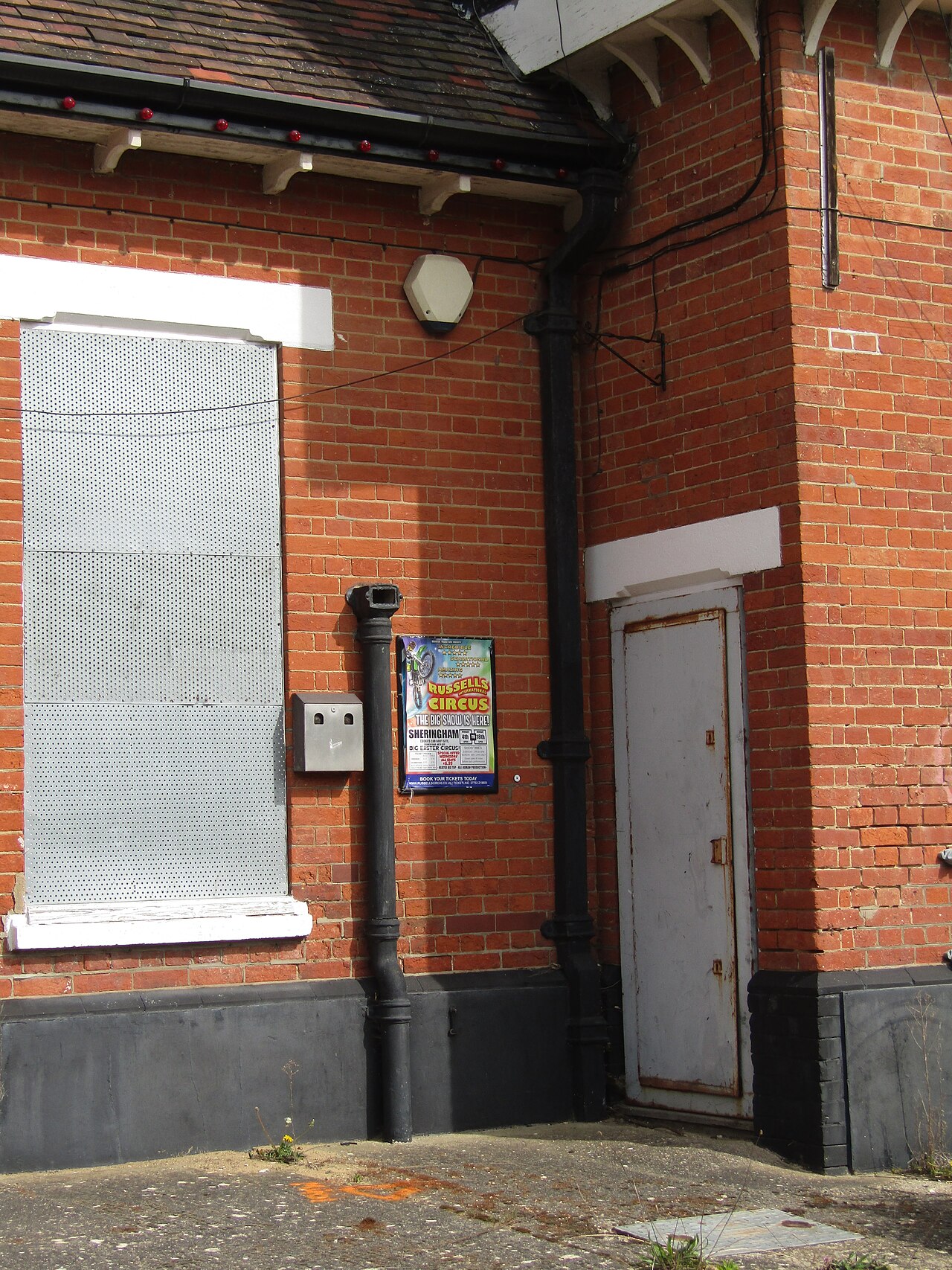
Why roofline reliability matters on commercial sites
On a commercial property, the roofline sits in a boring but important category: if it works, no one talks about it. If it fails, several people suddenly have opinions. That shift matters because the cost of roofline neglect is rarely limited to the gutter line itself.
A reliable roofline supports three things at once:
- Asset protection. Water intrusion can affect fascia boards, wall finishes, timber edges, insulation, and interior spaces below the eaves.
- Operational steadiness. A leaking or overflowing section often means reactive visits, unplanned closures around access points, and more time spent explaining the problem than solving it.
- Planning confidence. If the drainage path is predictable, maintenance can be scheduled. If it is not, every heavy shower becomes a fresh guess.
The useful distinction is between visible condition and operational condition. A gutter can look acceptable from ground level and still have a poor fall, weak joints, a restricted outlet, or a downpipe that is too easily overwhelmed. In other words, the building may look fine while the drainage system is quietly disagreeing.
That is why I would treat roofline reliability as a management decision rather than a cosmetic one. The question is not whether the system is immaculate. The question is whether it still handles ordinary weather without drama and whether you know what will happen when conditions get worse.
Terminology: the parts that actually matter
Before comparing issues and fixes, it helps to define the basic parts. Commercial roofline discussions get confusing when people use different words for the same edge details. This is the short version.
| Term | What it means | Why it matters |
|---|---|---|
| Gutter | The channel that collects rainwater from the roof edge. | If it is blocked, poorly pitched, or damaged, water has to go somewhere else. |
| Downpipe | The vertical pipe that carries water away from the gutter. | It is the exit route. A weak exit creates backup at the roof edge. |
| Fascia | The board or facing fixed along the roof edge behind the gutter. | It supports the gutter and is often one of the first places to show water damage. |
| Soffit | The underside finish beneath the roof overhang. | It can reveal moisture problems early through staining, gaps, or distortion. |
| Fall | The slight slope that helps water move toward the outlet. | Poor fall leaves standing water and encourages repeat overflow. |
| Outlet | The point where gutter water enters the downpipe. | If this point is restricted, the rest of the system cannot keep up. |
For a plain-language refresher on the downpipe itself, the downspout overview is a decent starting point. The important thing is not the label. It is the path water takes once it reaches the roof edge.
Common issues seen on commercial buildings
The failure pattern on commercial rooflines is often less dramatic than people expect. It usually starts with something small, repeatable, and easy to dismiss. That is the trap.
| Issue | What you may notice | Typical next step |
|---|---|---|
| Clogged gutters | Standing water, debris, overflow during rain, or water spilling at the edge | Clear debris, check the outlets, and confirm the gutter can empty fully |
| Blocked downpipes | Slow discharge, water backing up at the gutter outlet, or overflow near the same point after every storm | Inspect the full pipe run, not just the visible top section |
| Loose or failing fixings | Sagging runs, pulled sections, or visible movement at brackets and joints | Re-secure or replace the affected supports before the gutter line deforms further |
| Poor gutter fall | Water sits in the run instead of moving to the outlet | Adjust the pitch so water drains rather than lingers |
| Worn joints or seals | Drips at the join, damp patches below one section, or leaks that return after cleaning | Replace the failing join or seal instead of repeatedly patching it |
| Material wear | Cracking, warping, corrosion, or general distortion along the edge | Decide whether repair is realistic or whether a section should be replaced |
There is a practical rule here: if the same section keeps causing trouble, treat it as a system problem, not an isolated annoyance. Repeated overflow in one bay, corner, or outlet almost always means there is a root cause somewhere in that run.
Two common examples make the point. First, a gutter that looks clean from ground level may still be carrying a mat of debris near the outlet, which creates backup every time rain gets heavier. Second, a downpipe can look intact while the lower section is partially restricted, so the water appears to be leaving slowly until a downpour exposes the limitation. Neither of those is mysterious. They are just inconvenient in the way maintenance usually is.
Inspection frequency considerations
A sensible inspection plan is usually better than an emergency response plan. For most commercial properties, I would treat the following as a reasonable baseline:
| Check type | Practical cadence | Why this interval works |
|---|---|---|
| Visual ground-level check | Monthly or after obvious weather changes | Enough to catch sagging, overflow marks, or obvious blockage early |
| Planned roofline inspection | At least twice a year | Spring and autumn visits often catch debris, wear, and seasonal shifts before they compound |
| Post-storm check | After major wind, heavy rain, or repeated freeze-thaw cycles | Storms expose weak joints and blocked outlets quickly |
| Special review | After nearby roof work, fascia replacement, tree pruning, or repeated staining | Changes around the building can alter how water behaves |
There are also conditions that justify a tighter schedule:
- Tree cover nearby. Leaf fall and seed debris can fill a gutter faster than people expect.
- Flat or complex roof areas. Any layout that concentrates flow needs closer observation.
- High-traffic entrances. Overflow above a doorway or loading point creates immediate practical problems.
- Older or mixed-material rooflines. Age and previous repairs tend to create uneven performance across sections.
The HSE working-at-height guidance is a useful reminder that inspection frequency is only one side of the question. If access is awkward, a good schedule still needs a safe method. The roofline does not care about convenience, which is frankly one of its less charming traits.
When you inspect, record three things every time: where the issue appears, when it appears, and what weather or access condition was present. That turns a vague complaint into something a contractor or facilities lead can act on.
How improvements support long-term maintenance
Not every roofline problem calls for replacement. In many cases, the right improvement is the one that removes recurring maintenance work rather than creating a larger, unnecessary project. The goal is durability with fewer surprises.
1. Improve the drainage path
If the gutter regularly overflows at the same point, the first question is whether the water path is simply too weak for the way the roof sheds rain. Sometimes the answer is a larger outlet, a better downpipe route, or a cleaner fall across the run. The right fix is usually the one that helps water leave the roofline faster and more predictably.
2. Upgrade weak materials in targeted areas
Material choice matters most where the system is most exposed. A repeatedly failing joint, brittle section, or worn support bracket is often better replaced with a more durable component than watched for another season. That does not mean changing everything. It means concentrating effort where the failure repeats.
3. Reduce future cleaning burden
Some improvements are not glamorous, which is probably why they work. Leaf guards, more accessible access points, clearer discharge routes, and better bracket spacing can all reduce the number of times the same service call is needed. The test is simple: does the upgrade reduce recurring work, or does it merely make the next repair look cleaner?
4. Build maintenance into the schedule, not the memory
A roofline that relies on someone “remembering to check it” is already drifting toward failure. Better teams use recurring tasks, photo records, and clear responsibility so the same section is not rediscovered by three different people after the first leak. Some facilities teams track that with a simple work order management software builder as a starting point for keeping inspections, photos, and follow-up tasks in one place.
That is not about software for its own sake. It is about replacing tribal memory with a record. Roofline maintenance gets easier when everyone can see the last inspection date, the recurring problem area, and what was actually done.
5. Plan access at the same time as the repair
If the building needs awkward side access, a neighboring roof edge, or staged equipment, those constraints should be part of the maintenance plan from the beginning. Access is not an extra detail. It is often the detail that determines whether the work happens cleanly or becomes a rushed compromise.
For a broader sense of the kinds of maintenance priorities agencies put on roof performance, the GSA roofing guidance is a useful reference point. The common thread is simple: the best maintenance program is the one that prevents repeat damage instead of documenting it politely.
Questions to ask about scheduling and access
Before any roofline work is scheduled, it helps to ask questions that make constraints visible. A calm, specific plan is usually cheaper than a hurried one.
- Who will perform the inspection? Is it the same person or team that will carry out the repair, or will findings need to be handed off?
- What access is required? Can the issue be assessed from ground level, or will ladders, scaffold, a lift, or roof access be needed?
- What disruption should be expected? Will entrances, parking, loading areas, or service routes need to stay clear?
- What evidence will be provided? Photos, notes, and a short scope summary are often more useful than a vague verbal explanation.
- What happens if more damage is found? A good plan includes a decision path for small repairs versus wider replacement.
- How will follow-up be tracked? If a repair is made in stages, who owns the next check and by when?
These questions are especially important for occupied buildings. A roofline issue above a shopfront, entrance canopy, office façade, or loading bay can affect more than the roof itself. If work has to happen while the building stays open, the access plan should be specific enough that someone can explain it to a tenant, a manager, or a site contact without improvising.
A useful rule of thumb: if the answer to a scheduling question sounds vague, the repair plan is probably still vague too.
A practical decision path
If you are deciding what to do next, I would use a simple sequence.
- Check for repeat symptoms. If the same edge, joint, or downpipe keeps causing problems, note it as a recurring issue.
- Separate cleaning from repair. If debris is the only problem, cleaning may be enough. If the same fault returns, there is likely a component or layout issue behind it.
- Decide whether the fix is local or broader. One failing outlet is different from a roof edge that is generally undersized or poorly aligned.
- Match the work to the access plan. Safe access is part of the solution, not a side note.
- Record the result. A photo before and after, plus the date and location, makes the next decision easier.
If the answer is still unclear after those steps, the safest reasonable default is to ask for a site review rather than keep hoping the same weak section behaves differently next time. Water tends to dislike optimism.
Closing thought
Commercial roofline management is not glamorous work, but it is disciplined work. Reliable water management depends on regular inspection, a clear understanding of common failure points, and targeted improvements where the system is weak. The more predictable the drainage path, the less time you spend reacting to avoidable problems.
If you want to talk through a roofline concern, the contact page is the natural next step. If you only need the broader site context, the home page is the clean starting point.
Key points at a glance:
- Roofline reliability is a water-management issue, not just a cosmetic one.
- Repeated overflow usually points to blockage, poor fall, failed joints, or a weak outlet path.
- A reasonable baseline is monthly visual checks, twice-yearly inspections, and extra checks after major weather.
- Good improvements reduce repeat work by improving drainage, durability, and record-keeping.
- Scheduling and access questions should be answered before work begins, not during the visit.