Residential and commercial roofline work share the same basic parts: fascia boards, soffits, gutters, downpipes, and the joins that keep water moving away from the building. The difference is less about the vocabulary and more about the job in front of you. A home usually has shorter runs and simpler access. A commercial building can bring more height, more corners, more water to manage, and more people to work around.
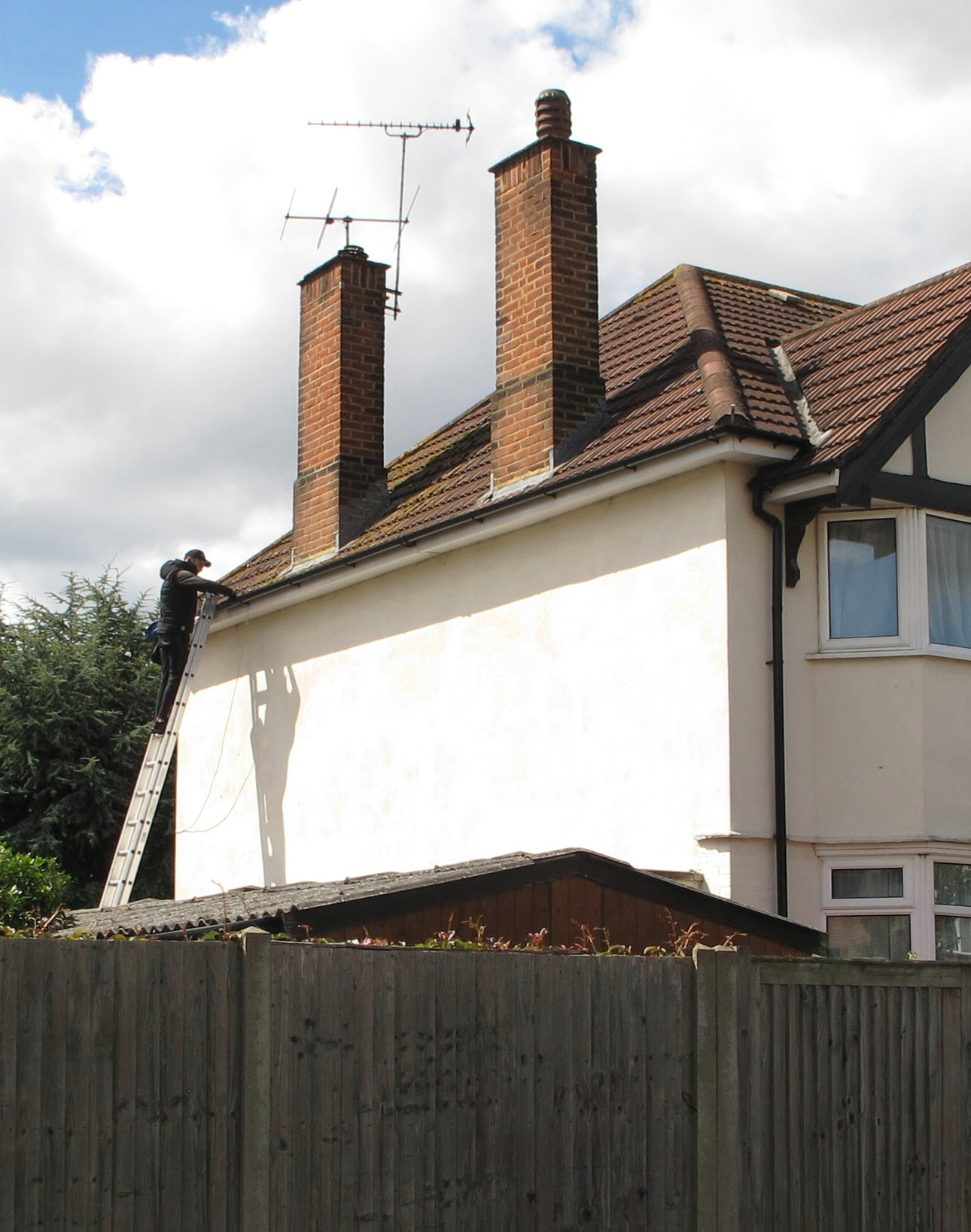
RC Grant and Sons approaches roofline work with that simple idea in mind. The parts may look familiar from one property to the next, but the way they are planned, reached, and maintained can change quite a bit once the building gets larger or busier.
Typical differences in roofline complexity
On a house, the roofline is often a compact run around the edge of the building. On a commercial property, the same system may stretch across multiple elevations, different roof heights, and a wider set of corners and connections. More length usually means more joints to check, more places for water to collect, and more opportunities for a small issue to show up in several spots at once.
| Area | Residential tendency | Commercial tendency | Why it matters |
|---|---|---|---|
| Roofline length | Shorter runs around one main building footprint | Longer runs across several elevations or roof sections | Longer systems usually need more checking and more careful planning |
| Access | Often reachable from ground level or a straightforward ladder setup | May need scaffold, roof access planning, or work windows around site activity | Access affects cost, timing, and how work is carried out safely |
| Maintenance pattern | Usually seasonal or after bad weather | Often scheduled more formally and tied to site routines | Commercial buildings benefit from regular checks that do not rely on chance |
| Materials and fixings | Chosen to suit the style and upkeep needs of the property | Often selected for durability, capacity, and consistency over larger areas | The wrong fit can show up quickly on a bigger building |
| Quote detail | Can sometimes be assessed from a small set of photos and a site visit | Usually needs more detail on access, scale, and any restrictions | Better information leads to a better scope and fewer surprises |
Access and safety considerations
Access is where residential and commercial jobs diverge fast. A typical home may allow a quick visual inspection from the ground or a short ladder setup. Larger commercial work can involve scaffold, roof access planning, exclusion zones, or scheduling around active premises. The HSE’s guidance on work at height is a useful reminder that access should be planned, not improvised.
If the safe access plan looks awkward, the job should be treated as awkward. That is usually cheaper than learning it the hard way. It also helps explain why two roofline jobs that look similar in photos can end up needing very different schedules and prices.
Maintenance schedules and expectations
For homes, the usual rhythm is simple: inspect after heavy weather, clear obvious debris, and watch for staining, sagging, or water escaping where it should not. For commercial properties, the same checks often need to happen on a more formal schedule because the building sees more foot traffic, more exposure, and less room for guesswork.
For a plain-English overview of common roofing maintenance ideas, the roofing section at This Old House is a useful companion when you are comparing what is routine and what needs a closer look.
That difference is not just about size. It is also about expectations. A homeowner may want to know whether a section of gutter needs repair this month. A commercial manager may need to know how to minimise disruption, keep records, and plan maintenance around tenants, staff, or trading hours.
If the building is listed or in a protected setting, the listed building consent guidance is worth checking before changing visible details or materials. The practical lesson is simple: some roofline choices are about appearance as much as performance, and the order of those priorities can change depending on the building.
How scope and materials may differ
Residential work often focuses on standard fascia, soffit, bargeboard, and gutter runs. Commercial jobs may need larger-capacity gutters, heavier-duty fixings, or a more robust approach to the way water is collected and moved away. That does not automatically mean “more complicated,” but it does mean the system has to match the building rather than the other way around.
In plain language: the roofline should fit the property like a well-made coat, not like a one-size-fits-all hat that keeps slipping over one eye.
Material choice also changes with the building type. Some projects lean toward a low-maintenance finish. Others need a look that suits the property’s character. In both cases, the best answer is usually the one that balances durability, appearance, and upkeep without pretending those three things are always the same thing.
What to include when requesting a quote
If you want a quote that is actually useful, give the contractor enough context to understand the job before anyone arrives on site. The best requests are short, specific, and honest about what you have seen.
- the property type and rough size,
- where the problem appears,
- when you first noticed it,
- photos from ground level if you have them,
- any access notes or site restrictions,
- whether you want a repair option, a replacement option, or both.
If you are not sure where to begin, start with the home page for a quick overview of the services, then use the contact page to send the details through. A clear message is often the fastest way to turn a vague roofline worry into a practical next step.
FAQs
What types of properties do you service?
RC Grant and Sons works on residential and commercial properties, including buildings that need a straightforward repair, a more careful material match, or a quote for a larger roofline project.
How long does a typical project take?
That depends on the size of the building, the access needed, the condition of the existing roofline, and whether the work is a repair or a full replacement. A small job may be straightforward; a larger commercial project can need staged access and more planning.
What materials do you use?
Materials should be chosen to suit the property, the expected wear, and the finish you want to see from street level. The right answer is rarely the fanciest one on paper; it is the one that fits the building properly.
Do you offer warranties on your work?
Any warranty or guarantee should be explained clearly in the quote. Ask for the terms in writing so you know what is covered, for how long, and under what conditions.
If you are weighing up your options, the short answer is this: residential and commercial roofline work use the same building blocks, but the scale, access, and maintenance pattern can change the whole job. RC Grant and Sons can help you make that judgement with a calmer head and a cleaner roof edge.